
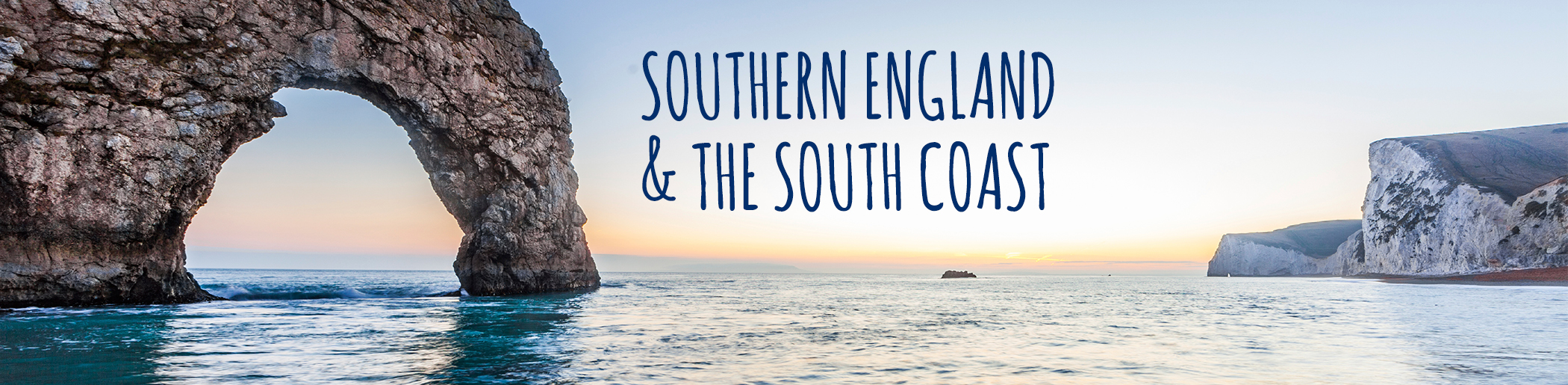
For a couple of summers, the great British seaside looked like it might be losing ground — domestic coastal trips dipped as overseas travel came roaring back. But 2026 is shaping up to be the year of the comeback, with a national push to get the country back to the coast. Here is why the seaside is having its moment again, and why it deserves to.
A coordinated push to the coast
The clearest signal is that the national tourism body is putting real money behind the coast. VisitEngland has launched an industry-wide “All on the Coast” campaign — kicking off with a social activation week and building towards a multi-million-pound marketing campaign in autumn 2026 — explicitly designed to reverse a recent dip in domestic coastal visits. When destinations, attractions and the national board all pull in the same direction, the result is more events, more investment in seafronts, and a lot more reasons to go.
The seaside has quietly got better
The cliché of the faded English resort is increasingly out of date. A decade of investment — some of it through coastal regeneration funding — has restored piers, opened new galleries and lidos, and brought a wave of independent cafes, breweries and seafood restaurants to towns that a generation ago had little beyond a chippy and an amusement arcade. Margate’s art-led revival is the famous example, but the same story is playing out from the Lincolnshire Coast to the Fylde. Blue Flag beaches are at near-record numbers, and the water-quality conversation — while far from finished — has pushed real improvements at many of the most popular bays.
It does things abroad can’t
A coastal break in Britain offers a particular set of pleasures that a fly-and-flop holiday simply doesn’t. There is the wildlife — the gannet colonies at Bempton, the seals at Donna Nook and Blakeney, the dolphins off the south-west coast. There is the walking: England has a continuous coast path, and the clifftop sections above Eastbourne, along the Jurassic Coast near Lyme Regis, and around the North Yorkshire headlands are world-class. And there is the food — fish landed that morning, cockles and crab, and a fish-and-chip tradition that, done well, is hard to beat anywhere.
The honest economics
It would be a stretch to claim a UK seaside holiday is always cheaper than a package abroad — in peak August, a popular resort can cost as much as a Mediterranean week. But the comparison misses the point in a few ways. A coastal break removes the expensive, stressful bits of overseas travel: no flights, no airport parking, no baggage fees, no currency spread, no car hire. You can go for a long weekend rather than committing to a week. You can take the dog. And the shoulder seasons — May, June, September — offer genuinely good value at the coast, with better weather for walking and far smaller crowds than the school-holiday peak.
For a fuller breakdown of how the numbers really compare, see our guide to UK staycations versus going abroad.
Where to feel the comeback
If you want to see the revival in action, a few stretches stand out this year. The North West is investing hard in its classic resorts — Blackpool continues to add new attractions around the Tower and Pleasure Beach, while Southport and the Fylde Coast offer the gentler end of the seaside. On the East Coast, the wide beaches of the Lincolnshire Coast and the harbour towns of East Yorkshire are exactly the kind of unpretentious, good-value seaside the campaign is built around. And in the South West, the estuary town of Dartmouth and the resorts of South Devon show the coast at its most polished.
The bottom line
The British seaside never really went away — but in 2026 it has the wind at its back: national backing, real investment, and a renewed appetite for holidays closer to home. It is a good year to rediscover the coast. Start with our English Coast hub to pick a stretch, find somewhere to stay and something to do.