Holiday regions in Wales
Wales packs an extraordinary amount into a small country — the peaks of Snowdonia and Brecon Beacons, the coastal Pembrokeshire National Park, vibrant Cardiff and a string of castles and harbour towns.
Holidays in Wales — what to expect
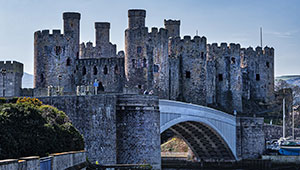
Wales is a country that routinely astonishes visitors who come without strong expectations. It is small enough to cross in two hours but varied enough that two weeks would not exhaust it. Three national parks, more than 600 kilometres of designated heritage coastline, over 600 castles (more per square mile than anywhere else in the world), a capital city of genuine vitality, and a living language spoken by over half a million people — Wales is one of the most distinctive destinations in Europe.
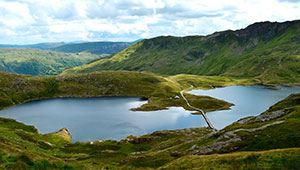
North Wales is dominated by Snowdonia, officially known as Eryri National Park since 2022. Snowdon itself — Y Wyddfa in Welsh, the highest mountain in England and Wales — can be climbed on foot via several routes or reached by the Snowdon Mountain Railway, the UK’s only public rack and pinion railway. The Ogwen Valley, the Glyderau and the Carneddau are less-visited ranges within the same park, offering serious walking without the Snowdon crowds. North Wales’s coast has its own character: the Victorian seaside towns of Llandudno and Rhyl, the Llŷn Peninsula with its remote beaches and medieval pilgrim churches, and Anglesey, connected by Telford’s Menai Suspension Bridge, with its hidden coves and Royal Yacht Squadron heritage.
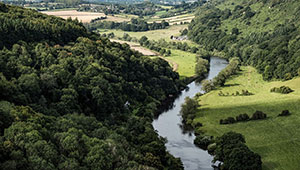
Central Wales is the least visited part of the country and arguably the most rewarding for those seeking genuine quiet. The Cambrian Mountains are a vast upland wilderness of bog, moorland and reservoir that stretches from Snowdonia in the north to the Brecon Beacons in the south. The market towns of the borderlands — Welshpool, Llandrindod Wells, Brecon — have a pleasantly unhurried character. The Wye Valley along the eastern edge is one of Wales’s most beautiful landscapes, with Tintern Abbey rising from the wooded gorge in a scene unchanged since Turner painted it.
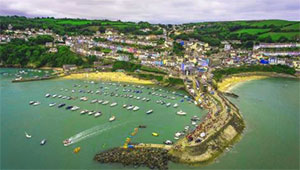
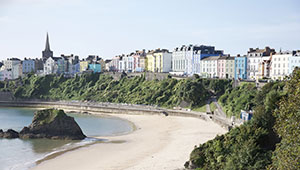
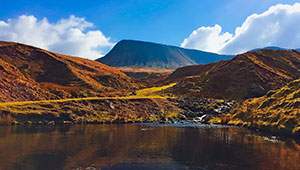
South Wales offers the greatest variety. Pembrokeshire, in the far south-west, has arguably the finest coastal walking in the UK — the 300-kilometre Pembrokeshire Coast Path passes sea stacks, blowhole beaches, Iron Age forts and nesting colonies of seabirds. The Gower Peninsula, the first Area of Outstanding Natural Beauty designated in the UK, has Rhossili Bay at its tip, consistently ranked among Britain’s best beaches. The Brecon Beacons are a designated International Dark Sky Reserve, drawing stargazers and mountain walkers in equal numbers. And Cardiff — compact, walkable, enthusiastic — packs a medieval castle, a Victorian arcaded shopping quarter, a transformed bay waterfront, two Michelin-starred restaurants and the national stadium into a city centre that takes twenty minutes to cross on foot.
Wales’s food scene has grown significantly in the last decade. Salt marsh lamb, Welsh Black beef, Pembrokeshire early potatoes, cockles from the Gower, sewin from the rivers and Harlech crab are all ingredients with genuine Welsh identity, and a new generation of chefs and producers is making the most of them. The independent food markets of Cardiff, Abergavenny Food Festival (one of the UK’s best) and a growing number of farm shops and artisan producers make Wales a genuinely interesting culinary destination.