
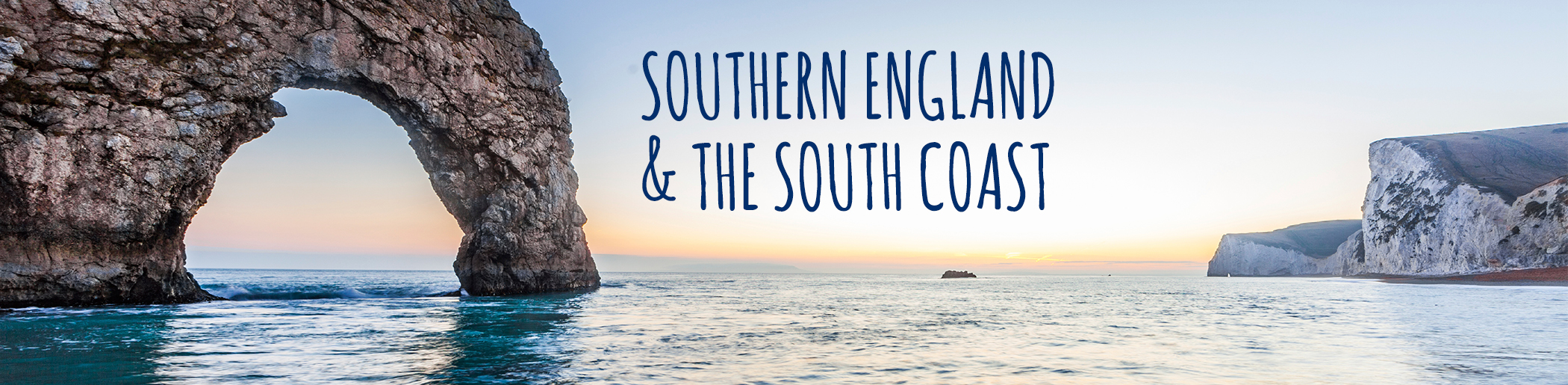
Britain does beaches better than it’s often given credit for. Yes, the sea is bracing and the weather is a gamble — but the UK coastline holds some of the finest sand in Europe, from the surf breaks of the south-west to the machair-backed white sands of the Hebrides. Here are the beaches we’d build a 2026 trip around, region by region.
1. Woolacombe, Devon
Three miles of golden, west-facing sand backed by dunes and the National Trust headlands of Baggy and Morte Point — Woolacombe is consistently voted among Britain’s best beaches, and with good reason. It holds a Blue Flag, the surf is reliable enough for beginners and improvers, and at low tide the beach is vast enough to absorb a busy August day. Combe Martin and the wider Exmoor coast are close by for walkers.
2. Rhossili Bay, Gower, Wales
The three-mile sweep of Rhossili on the tip of the Gower Peninsula — the UK’s first designated Area of Outstanding Natural Beauty — is regularly named the best beach in Britain and among the best in the world. The tidal island of Worm’s Head at its southern end can be walked to at low tide (check the tide times carefully), and the clifftop path above the bay is one of the great short walks in Wales.
3. Barafundle Bay, Pembrokeshire, Wales
There’s no car park at Barafundle — you walk in from Stackpole Quay along the coast path, which is exactly why this National Trust cove stays so unspoilt. Backed by dunes and pines, with clean water and pale sand, it looks more Mediterranean than Welsh on a good day. Pair it with the lily ponds at Bosherston and the wider Pembrokeshire Coast Path.
4. Bamburgh, Northumberland
Few beaches have a backdrop like Bamburgh’s: a colossal medieval castle on a rocky outcrop above miles of clean, pale sand, with the Farne Islands and Lindisfarne offshore. The Northumberland coast is one of England’s most underrated stretches — empty even in summer, superb for wildlife, and anchored by castles at Bamburgh, Dunstanburgh and Warkworth. Bring a windbreak.
5. Luskentyre, Isle of Harris, Outer Hebrides
The white-sand, turquoise-water beaches of the Outer Hebrides are the closest thing Britain has to the Caribbean, and Luskentyre on the west coast of Harris is the most celebrated. Backed by machair grassland that flowers through the summer, with the hills of North Harris behind, it rewards the long journey north. Seilebost and Scarista nearby are just as good and even quieter.
6. West Wittering, West Sussex
The south coast’s finest family beach: a wide, clean, Blue Flag stretch of sand near Chichester Harbour, with shallow water, a lagoon that warms up at low tide, and views across to the Isle of Wight. It’s privately managed, which keeps it well cared for, and it’s a magnet for kite- and windsurfers thanks to the East Head sand spit. Arrive early on hot days — the car park fills fast.
7. Bournemouth & Poole, Dorset
Seven miles of soft, south-facing Blue Flag sand, some of the warmest sea temperatures in the country, and two piers — Bournemouth is the classic English seaside resort at scale, and it delivers. Neighbouring Sandbanks in Poole holds Blue Flag status too and sits on one of the world’s largest natural harbours. Reliable for families who want amenities as well as sand.
8. Bridlington & the East Yorkshire coast
The Yorkshire coast trades drama for big skies and value. Bridlington’s two Blue Flag bays are backed by a traditional working harbour, and just up the coast the chalk headland of Flamborough and the seabird city at Bempton Cliffs — where gannets, puffins and kittiwakes nest from April to August — make this one of the best wildlife-and-beach combinations in England.
9. Porthcurno & the far west of Cornwall
Cornwall has more famous surf beaches, but Porthcurno’s near-white sand and clear green water, tucked beneath the cliffs and the open-air Minack Theatre, is the county at its most beautiful. The whole Land’s End peninsula — Sennen Cove, Kynance Cove on the Lizard, the coves around St Ives — is a beach-hopper’s dream, best enjoyed in late spring or September when the crowds thin.
10. The Isles of Scilly
Twenty-eight miles off Land’s End, the Isles of Scilly have beaches that wouldn’t look out of place in the tropics — sheltered white coves, clear shallow water and a pace of life from another era. Getting there (by ferry from Penzance or a short flight) is part of the appeal, and the archipelago rewards a longer, slower stay over a day trip.
Beach-going tips for the UK coast
- Always check the tides. Several of the best beaches — Rhossili’s Worm’s Head, the walk into Barafundle, estuary crossings — are governed by the tide, and it turns fast.
- Look for the Blue Flag and Seaside Award. These flag up beaches meeting water-quality and facilities standards; the Surfers Against Sewage Safer Seas app is worth checking for real-time water quality after heavy rain.
- Go on the shoulder seasons. May, June and September bring warmer seas than you’d expect, far smaller crowds and the best light — and beach car parks that aren’t full by 10am.
- Respect the wildlife. Nesting seabirds (spring/summer) and seal colonies (autumn) are a highlight of the UK coast — keep your distance and follow local signage.
- Pack for four seasons. A windbreak, layers and a flask turn a grey British beach day into a good one.
Ready to plan a coastal break? Our English Coast hub gathers every seaside destination with places to stay and things to do, and our guide to England’s best coastal towns for 2026 covers where to base yourself.