Belfast, the capital of Northern Ireland, is a city that wears its industrial past with pride while looking firmly to the future. Built on the banks of the River Lagan, it grew wealthy in the Victorian era on linen, rope-making and above all shipbuilding — it was here, in the vast Harland & Wolff yards, that RMS Titanic was designed and launched in 1911. For decades the city was better known abroad for the Troubles, the sectarian conflict that scarred it from the late 1960s onwards. Since the 1998 Good Friday Agreement, however, Belfast has undergone a remarkable renaissance, transforming into one of the UK and Ireland's most rewarding city breaks, packed with world-class museums, buzzing bars, warm humour and an unfiltered honesty about its complex history. It makes an ideal base for exploring the wider region of Northern Ireland.
Top things to do in Belfast
- Titanic Belfast — The city's flagship attraction, an angular silver landmark standing on the very slipways where Titanic was built. Nine interactive galleries chart Belfast's shipbuilding boom, the ship's construction and its tragic maiden voyage. Admission also includes the SS Nomadic, the last surviving White Star Line vessel in the world, moored alongside.
- Cathedral Quarter — Belfast's cultural and nightlife heart, a network of cobbled lanes around St Anne's Cathedral filled with traditional pubs, live-music venues, street art and restaurants. It hosts the popular Cathedral Quarter Arts Festival each spring.
- Belfast City Hall — A magnificent Edwardian Baroque building in Portland stone dominating Donegall Square. Free guided tours reveal the marble interior, stained glass and civic history, while the surrounding grounds host markets and events.
- Crumlin Road Gaol — A restored Victorian prison that opened in 1845 and held prisoners until 1996. Guided tours take you through the cells, the underground tunnel to the courthouse and the execution chamber, telling gripping stories from more than 150 years of history.
- The Peace Walls & political murals — A powerful reminder of the Troubles, best explored on a black-taxi tour where local drivers share first-hand accounts of the city's divided communities along the Falls and Shankill Roads, and you can add your own message to the Peace Wall.
- St George's Market — One of the UK's finest covered Victorian markets, dating from the 1890s. Its Friday, Saturday and Sunday markets brim with fresh produce, seafood, crafts, street food and live music.
- Ulster Museum & Botanic Gardens — Set in the leafy Queen's Quarter, the free Ulster Museum spans art, natural history and Irish antiquities, while the adjacent Botanic Gardens showcase the elegant Victorian Palm House and Tropical Ravine.
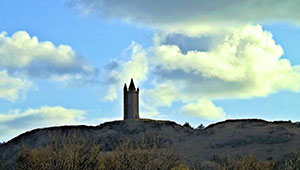
- Cave Hill & Belfast Castle — The basalt outcrop overlooking the city, said to have inspired Jonathan Swift's Gulliver's Travels. Walking trails lead to Napoleon's Nose and superb views, with the 19th-century Belfast Castle nestled on its slopes.
- Game of Thrones Studio Tour — A short drive from the city at Linen Mill Studios in Banbridge, this official tour lets fans explore original sets, costumes and props from the hit series, much of which was filmed across Northern Ireland.
Getting to Belfast
Belfast is served by two airports. Belfast International Airport, around a 30-minute drive north-west of the city, handles most long-haul and budget flights, connected to the centre by the Translink Airport Express 300 bus. George Best Belfast City Airport sits just three miles from the centre, handling domestic and short-haul routes, with the Airport Express 600 bus running into town. By sea, Stena Line operates frequent ferries from Cairnryan in south-west Scotland — the quickest crossing at roughly two hours fifteen minutes — and from Liverpool, an eight-hour day or overnight sailing. Rail travellers can reach Belfast from Dublin on the cross-border Enterprise service, running several times daily between Dublin Connolly and Belfast's Lanyon Place (Grand Central) station in a little over two hours. The M1 and M2 motorways link Belfast efficiently to the rest of Northern Ireland's road network.
Best time to visit Belfast
Belfast is a year-round destination, though each season offers something different. Spring brings milder weather and the lively Cathedral Quarter Arts Festival, making it a fine time to explore on foot. Summer is the peak season, with long daylight hours, outdoor festivals, and the best chance of dry weather for walks up Cave Hill or day trips along the Causeway Coast — though you should always pack for showers. Autumn is the highlight of the cultural calendar, when the Belfast International Arts Festival fills theatres and venues across the city with music, theatre and dance. In winter, the grounds of City Hall host a hugely popular Christmas Market, with continental food stalls, crafts and mulled wine drawing crowds through the festive season. Belfast's weather is changeable throughout the year, so waterproofs and layers are always advisable.
Where to stay in Belfast
Belfast is compact and walkable, so most visitors base themselves centrally. The city centre, around Donegall Square and the main shopping streets, offers the widest choice of hotels, from smart international chains to characterful boutique properties, all within easy reach of the main sights. The Cathedral Quarter is ideal for those who want to be at the heart of the nightlife and dining scene, with stylish boutique hotels set among the pubs and galleries. The Queen's Quarter around Queen's University to the south is a quieter, greener option, with leafy Victorian streets, guesthouses and good-value bed-and-breakfasts close to the Ulster Museum and Botanic Gardens. Budget travellers will find well-run hostels and serviced apartments throughout the centre, while the Titanic Quarter offers modern waterfront hotels near the museum.
Food and drink in Belfast
Belfast's food and drink scene has flourished in recent years and is now one of the city's genuine draws. Start at St George's Market, where weekend stalls serve everything from freshly shucked oysters and local seafood to gourmet street food and the classic Ulster fry — a hearty cooked breakfast featuring soda bread and potato farl griddled on the pan. The Cathedral Quarter is the place for an evening out, home to atmospheric traditional pubs including the beloved Duke of York, tucked down a cobbled alley and lined with vintage memorabilia, as well as the historic Crown Liquor Saloon nearby. The city's coastal setting means excellent seafood, from Strangford Lough mussels to Portavogie prawns, features on many menus. To the south, the Golden Mile — the stretch running from the city centre down towards the university — is packed with restaurants, bistros and bars spanning cuisines from around the world. Round off any visit with a glass of Irish whiskey or a pint of stout in one of the city's welcoming pubs, where a warm conversation is rarely far away.